

삼일절, Independence Movement Day
Remembering 107 years of 삼일절, the enduring courage of the Korean people, and Korea's continued fight for independence.

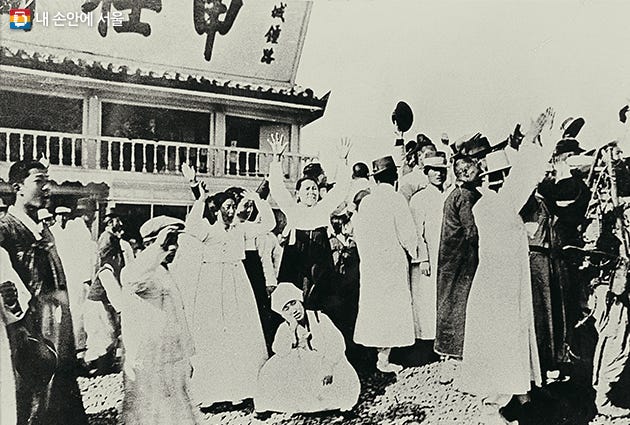
In Korea, March 1 is known as 삼일절, Samiljeol. This day is also known as 삼일 운동, 만세 운동, the Mansae Demonstrations, and Independence Movement Day.
In Korean history, 삼일절 marks one of the earliest and most significant displays of Korean resistance against Japan’s brutal occupation and colonization of Korea.
On March 1, 1919, 107 years ago, around 12:00 pm, 29 of the 33 independence activists gathered together at 태화관, a small restaurant in 서울, to sign the 3·1독립선언서 and start their protest. The 3·1독립선언서 was a declaration protesting against Japanese rule, denouncing the Japan-Korea Annexation Treaty, and declaring Korea’s independence. The owner of 태화관, 안순환 (An Soon-Hwan), reported the protest to the Japanese Government-General of Joseon, and immediately, 80 Japanese military police officers arrived and arrested all 33 independence activists.
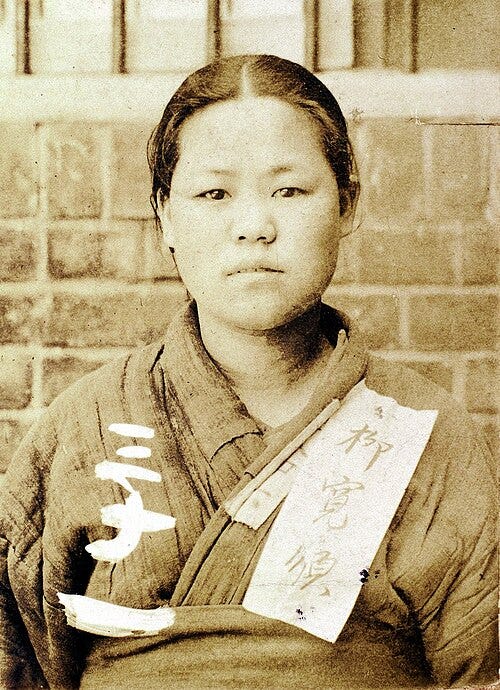
At 탑골 공원, a public park in Seoul, 5,000 people gathered to hear an upcoming announcement. Around 2:00 PM, independence activist and student, 정재용 (Jung Jae-Yong), stood in front of the crowd and began reading the declaration. Near the end of his reading, cheers of “대한독립 만세!”1 exploded from the crowd. The people all filed out onto 종로, a main street in Seoul, and began their public march.
Below is a translation of the first few lines of the declaration:
“We declare today that Joseon is an independent nation and that the Korean people are its masters. We will make this known to all nations of the world, clearly demonstrating the great principle of human equality and ensuring that our descendants will forever enjoy the legitimate right to self-reliance.
This declaration is made with the strength of our five thousand years of history and the collective dedication of twenty million people. It represents our people’s desire for eternal, free development and our commitment to keeping pace with the great current of global change driven by humanity’s conscience. This is the will of Heaven, the trend of the times, and the legitimate right of all humanity to live together. Nothing in this world can stand in the way of our independence.”
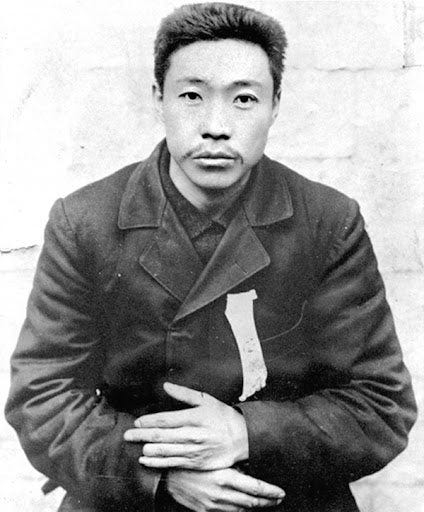
Independence activists presented the Declaration of Independence all across Korea. That same day, protests were held in cities all across Korea, including 평양, 진남포, 안주, and 원산. Despite the Japanese government’s efforts to stop the spread of information and the mobilization of the Korean people, news of the protest reached these cities quickly, as they were connected to Seoul via 경의선 and 경원선 railway lines. Protests continued to spread until March 19, when all thirteen provinces of Korea had hosted protests.
Thousands of people gathered together to listen to the declaration and unite against forced Japanese occupation, colonization, erasure, and assimilation.
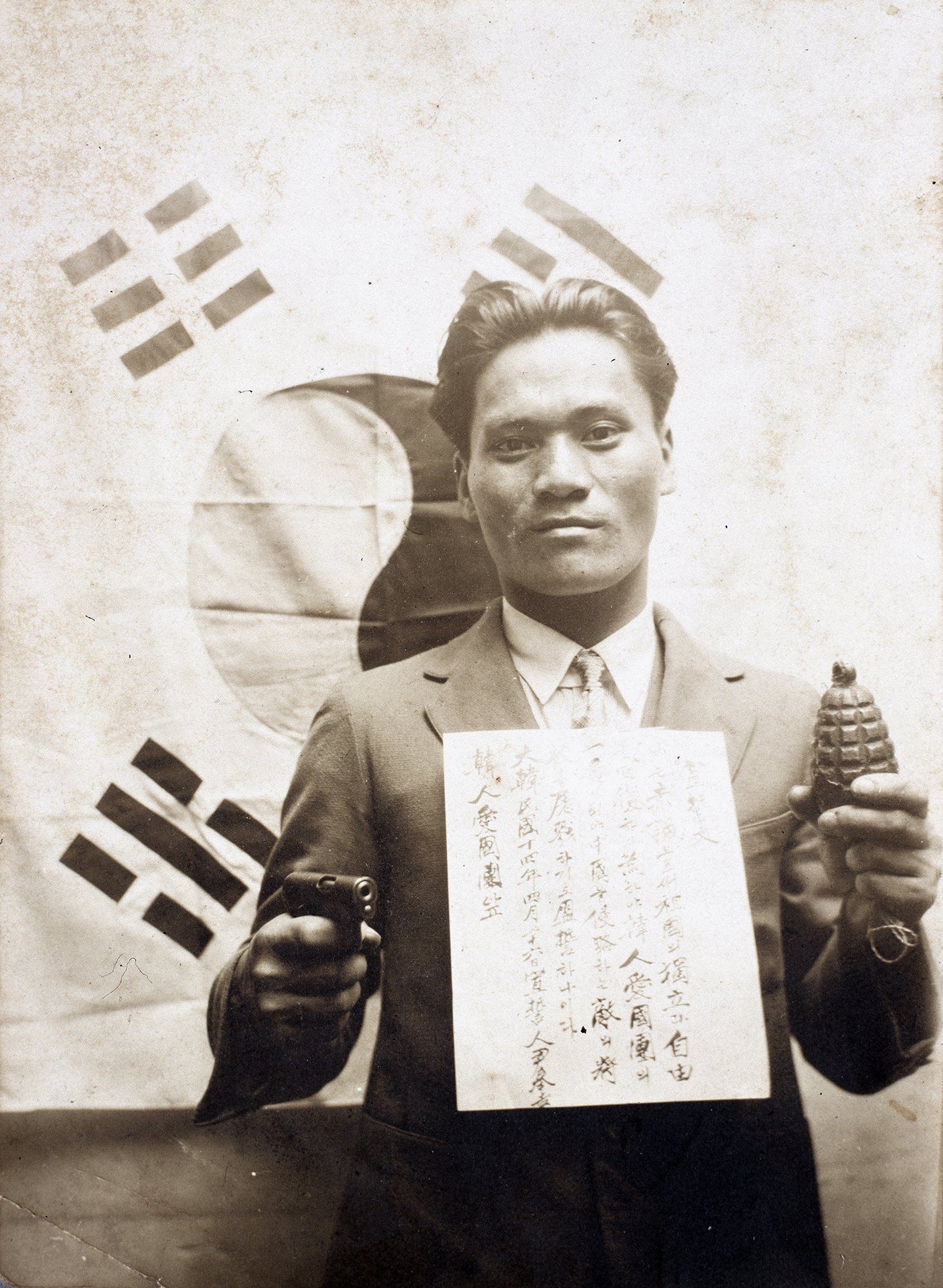
The Independence Movement inspired 1.06 million people to join Korea’s fight for freedom. In addition to activists, Korean merchants, noblemen, literati, 기생2, laborers, monks, Christians, Cheondoists, Buddhists, students, and farmers all joined the nonviolent protests together to secure their country’s independence.
The peaceful protests of the 만세 운동 lasted for six weeks. During those six weeks of protest, 7,500 people were killed, 16,000 people were injured, and 47,000 people were arrested and tortured by Japanese authorities. 경성 감옥, presently known as 서대문 감옥, located in central 서울, serves as a memorial to the thousands of activists that were imprisoned, tortured, and killed in the fight for Korea’s independence.
The Mansae Demonstrations did not result in Korea’s immediate liberation — that did not come until 26 years later in 1945, and Korea is still not liberated, as we are still being occupied by American forces — but the movement had a massive impact on the nation and the world. The 만세 운동 sparked over 1,500 spontaneous nonviolent protests, rallies, and demonstrations across the country and the world, extending to China, Manchuria, Japan, India, and the United States. It was the catalyst for other nonviolent independence movements across the world, like the Wǔsì Yùndòng, or 5-4 Movement, against imperialism in China, and Gandhi’s satyagraha protests, the peaceful protests against British colonization in India.
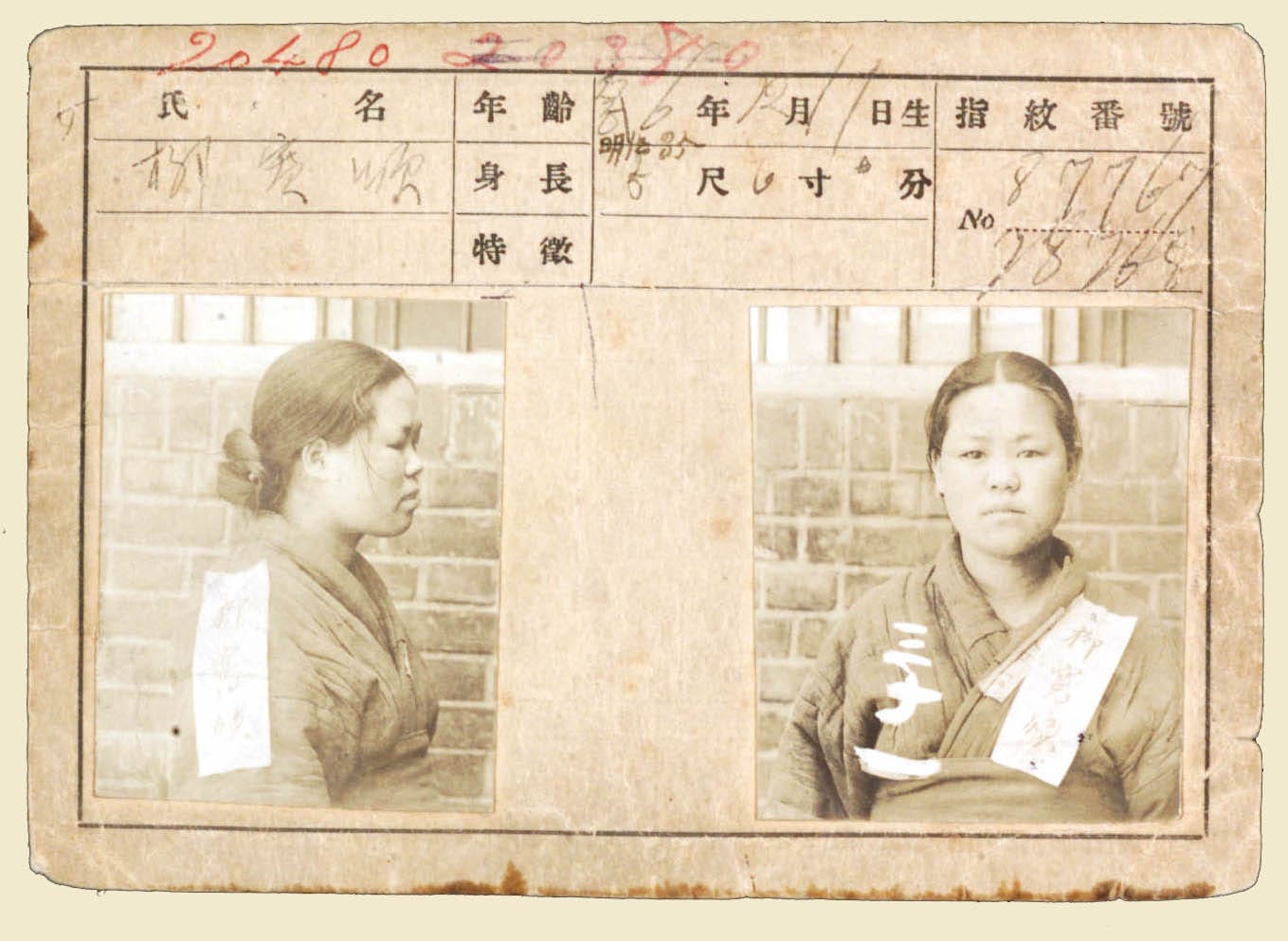
유관순 (Yu Gwan-Sun) was an independence activist leader during the 만세 운동. She served in the independence movement for 21 months. Today, she is regarded as a national hero.
유관순 was a 17-year-old high school student at 이화 학당. Encouraged by her parents, she joined the independence movement with four of her friends from school. She attended two protests, and she was imprisoned both times. Her parents were brutally killed, and she was tortured to death at 서대문 가목. She is famously remembered for the harrowing words she wrote while she was in prison:
내 손톱이 빠져 나가고
내 귀와 코가 잘리고
내 다리가 부러져도
그 고통은 이길 수 있으나
나라를 잃은 고통만큼은 견딜 수 없습니다.나라에 바칠 목숨이
오직 하나밖에 없는 것만이
유일한 슬픔 입니다.Even if my fingernails are torn out,
my nose and ears are severed,
and my legs are crushed,
this excruciating physical pain cannot compare
to the pain of losing our nation.My greatest grief is
having but one life
to devote to our country.— 유관순, Yu Gwan-Sun
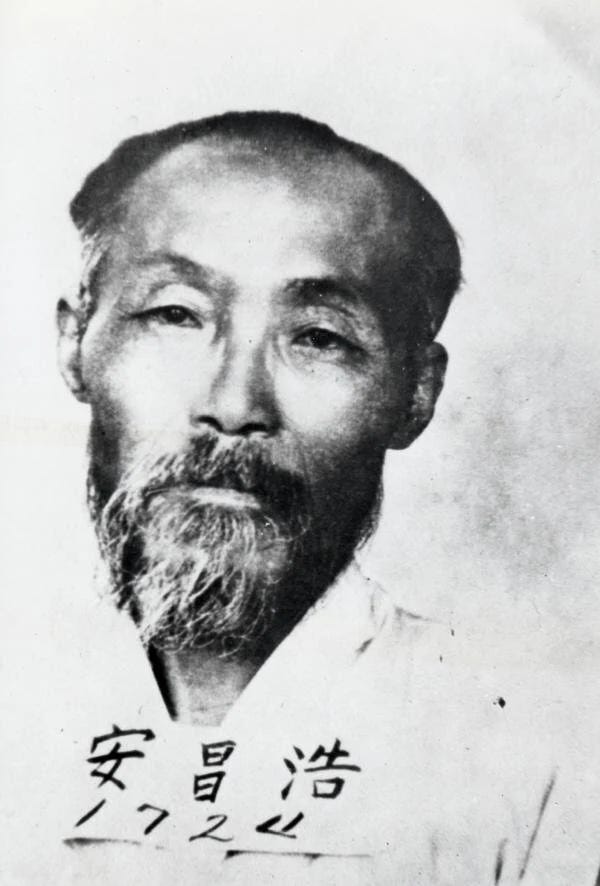
삼일절 is a day to remember the courage and sacrifice of our ancestors.
We would not exist without their courage.
We would not exist without their sacrifice.
3/1 is a day to remember that the courage that lives in them, lives in us.
3/1 is a day to recommit ourselves to the fight for freedom from colonialism, occupation, and imperialism — for South Korea, for North Korea, for Palestine, for America, and for all occupied, colonized, and stolen lands.
3/1 is a day to remember the blood shed, the lives lost — the genocide of the Korean people, at the hands of the Japanese government.
3/1 is a day to remember that the Korean people survived. With courage, faith, love, and sacrifice, we survived.
May we carry the courage of our ancestors forward. May we have the audacity to hope. May we believe in our dreams that we cannot see. May we fight to build a safer, kinder, more beautiful world, for the next generation, and for all the generations to come.
대한독립만세!
With love,
Jieun

Films about the Korean Independence Movement:
항거: 유관순 이야기 • A Resistance: The Story of Ryu Gwan-sun (2019)
항거 chronicles the final year of the life of independence heroine and martyr Yu Gwan-Sun (1902-1920) when she was incarcerated at Seodaemun Prison in Seoul after taking part in the March First Independence Movement. During the Japanese colonial period, 유관순, who led the March First Movement, is imprisoned. However, she does not give in and unites fellow prisoners to resist Japan. The Japanese security chief, suspicious of unrest, tricks her colleagues and uncovers 관순’s role as the leader, and tortures her severely. After this, 관순 pretends to obey the Japanese but secretly prepares another independence movement. This movement spreads beyond the prison and into the streets. 관순 is once again subjected to merciless torture. She dies two days before her release.
밀정 • The Age of Shadows (2016)
Set in the late 1920s, 밀정 follows the cat-and-mouse game that unfolds between a group of resistance fighters trying to bring in explosives from Shanghai to destroy key Japanese facilities in Seoul, and Japanese agents trying to stop them.
암살 • Assassination (2015):
암살 is a historic espionage action drama set in Shanghai and Seoul in 1933, during Japanese colonial rule. The Korean government in exile has given one of its top undercover operatives, 염석진 (Agent Yeom Seok-jin), a mission: recruit three people to infiltrate occupied Seoul and assassinate the Japanese general along with a Korean collaborator. He selects steely-eyed female sniper, 안옥윤 (Ahn Ok-yun, Mitsuko), a brawler 주상옥 (Big Gun), and an explosives expert, 황덕삼. But 염석진 is a double-agent for the Japanese and he hires a hitman 하와이 피스톨 (Hawaii Pistol), to kill the assassins.
동주 • Dongju: The Portrait of a Poet (2016):
동주 is a Korean biopic based on the life of poet 윤동주 (Yun Dong-Ju, 1917-1945). Taking place during the colonial period in Korea, the film follows the artist’s years as a student, up until his imprisonment by the Japanese authorities in 1945. In the Japanese colonial era, young 동주 writes poems about the harsh reality of his life. As Japan’s policies get more serious, writing anything in Korean is prohibited. Just when the slight possibility of publishing his poems seems to have evaporated, a Japanese professor sees 동주’s talent and suggests that he publish his poems in English. But before his work is done, 동주 is suspected of anti-Japanese activities.
말모이 Mal-Mo-E: The Secret Mission (2019):
김판수 (Kim Pan-Soo) is a street thief living in 1940s Korea, and he has spent more time in prison than in school. Looking to support his son’s education, 판수 steals the bag of a rich-looking guy named 정환 to help pay for his son's tuition fees, but he gets caught. He’s in for a surprise when he discovers who his captors are: a group of revolutionaries whose weapons of resistance are words. 정환 is the son of a wealthy Korean family who are pro-Japanese, and yet he is a representative of the Korean Language Society at a time when Japanese colonial administrators have banned the use of Korean and moved to replace it with Japanese. 정환 wants to make a Korean language dictionary to collect the words and dialects of Korea and protect the culture of the nation. Even though he is from a different walk of life, 판수 agrees to help him at a time when protecting the Korean language could get them both imprisoned.
대한독립 만세!: Daehan dongneep, mansae! Long live Korean independence!
기생: gisaeng; enslaved women from outcast or enslaved families who were trained to be courtesans, providing artistic entertainment and conversation to men of upper class